Blog › Coaching
Preparing the next match with video of the last one
The match is over, the next one is a week away. In between there is a video, three or four training sessions and little time. Used well, the video of the last match becomes the plan for the week.
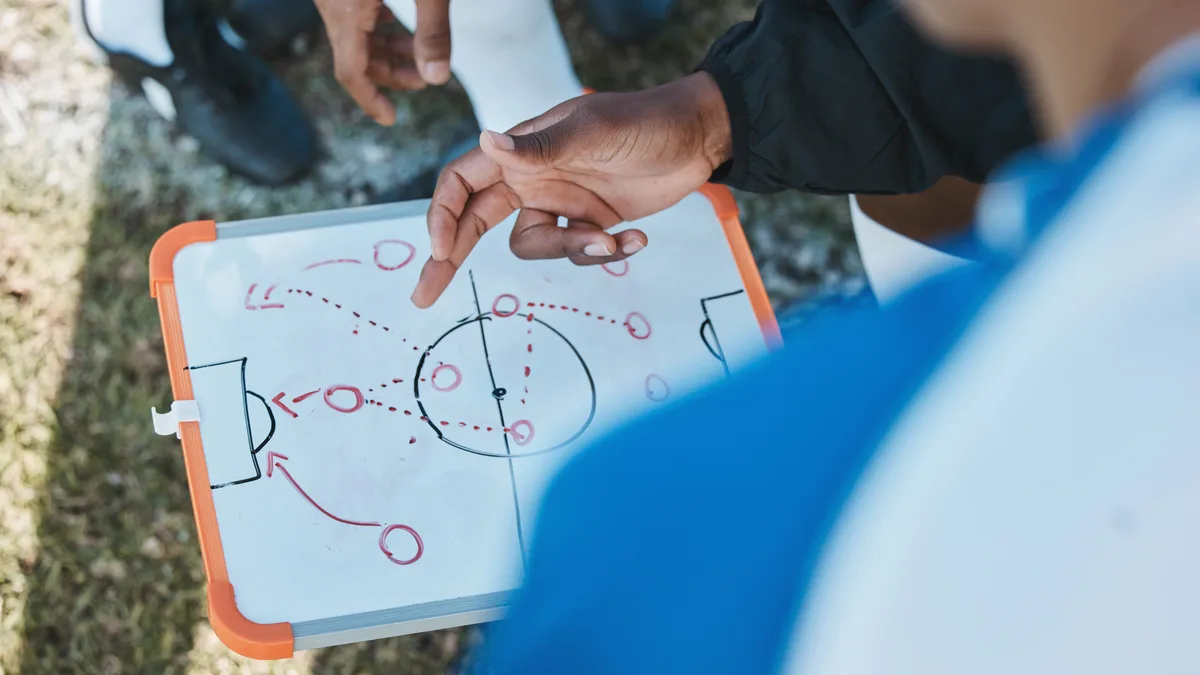
Preparing a match, in amateur sport, often looks like this: you think back on the result, remember two or three standout actions, and build the week on that. It is human, and not so bad. But memory keeps the spectacular and forgets the rest. Video shows what really happened, and it is a much firmer basis for deciding what to work on.
The good news: you do not need to review everything or analyse everything. A simple method is enough, in four steps.
Review the next day, not the same evening
On the night of the match, you judge with the score in mind. A win makes everything look successful, a defeat makes everything look failed. The next day or the day after, you watch more calmly, and you see things you had not noticed from the bench.
Reviewing early in the week has another advantage: there is still time to work on it. An idea found on Friday evening only serves for the team talk.
Two choices: one thing to keep, one thing to fix
Rather than coming out of the video with a long list, ask yourself two questions, and only two:
- What worked and what do we want to do again? A build-up that worked, a positioning on set pieces, a good reaction after losing the ball. It is often forgotten, yet it is what gives the group confidence.
- What cost us, and can be fixed in a week? This is where you sort: a positioning, an instruction, a reference point can be fixed in a few training sessions. Fitness or basic technique take months. To prepare the next match, you choose from the first category.
To find these moments without reviewing everything, a reading method helps a lot: it is detailed in how to analyse a match, and applies to most team sports.
Turning the choice into a training session
A correction that stays in the coach's head changes nothing the following weekend. Each choice must become a situation worked on in training, as close as possible to what the video showed. A few examples by sport:
- Football: passes out from the back lost under pressure call for a build-up sequence with two forwards pressing.
- Handball: goals conceded on counter-attacks call for work on getting back right after a shot, whether scored or not.
- Basketball: offensive rebounds left to the opponent call for work on rebound positioning, getting between your opponent and the basket, repeated at the end of the session.
- Volleyball: a rotation that does not come out of reception calls for work on that rotation first.
If you can, film this drill: a hot review during training shows right away whether the instruction got through. How to do it is explained in filming a training session.
And the opponent?
In amateur sport, you rarely have a video of the team you are about to face, and that is fine. Three simple sources are enough to get an idea:
- The first-leg match, if you filmed it. It is the best resource of the season. Review only three things: how they build their attacks, where they were dangerous, and how they defend set pieces.
- What the group remembers. Players who have already faced them often have a precise reference point: a fast player, a left-hander, a high press at the start of the match. Ask them.
- The season's results. A team that scores a lot late in matches or concedes little away shows in the table and gives you a lead.
Keep a sense of proportion: two or three reference points on the opponent, not a file. In amateur sport, what most often decides a match is your own team. Preparing the opponent complements the week's work and does not replace it.
What you tell the players before the match
The pre-match team talk does not need to be long. Three messages, no more:
- What we keep: the successful sequence from the last match, recalled in one sentence.
- What we worked on: the week's correction, with the concrete reference point given in training.
- A reference point on the opponent: one single thing to watch, not five.
It is best if the players have already seen the images during the week. Two or three short extracts, sent with a sentence, or a short video session before training. On match day, the team talk only reminds them of what they have already understood.
Keeping a record, from one match to the next
A week's work also serves the next. After each match, one line is enough: the date, the opponent, the thing kept, the thing fixed, and what the fix gave in the following match. After a few weeks, you see the team's progress. And when the return match comes, the preparation is already half done.
In TactiCam, this record is kept directly on the clips: a “Good example” or “To fix” status, one folder per opponent, and the first-leg sequences are there the day you need them.
Frequently asked questions
How long does it take to prepare a match with video?
One evening during the week is enough to start: review the useful moments, choose one thing to keep and one thing to fix, prepare two or three extracts. The rest of the work happens in training.
How do you prepare for a match against a team you do not know?
By focusing on your own team: the video of your last match tells you what to work on, whatever the opponent. During the match, a few minutes of observation then let you adjust.
Should you show the video of the last match to the players?
Yes, but in short extracts and during the week, not on match day. One successful sequence and one to fix, each with a sentence, are worth more than the whole match.
What if the last match was not filmed?
The notes taken at the side of the pitch will do for this time, and the next match is filmed with a phone on a tripod. Placement advice is in where to place the camera.
By sport: Football · Handball · Basketball
Read next
The return match, already prepared
With TactiCam, the match clips are ready as soon as the game ends. You mark them “To fix” or “Good example”, file them by opponent, and the link goes to the players during the week. 14-day trial.