Blog › Organising
Becoming a video analyst in an amateur club
An amateur club has no video analyst. It has a coach who has no time to review the match, and often someone at the side of the pitch who would like to lend a hand: a parent, an injured player, a young person coaching the little ones. This guide is for that person.
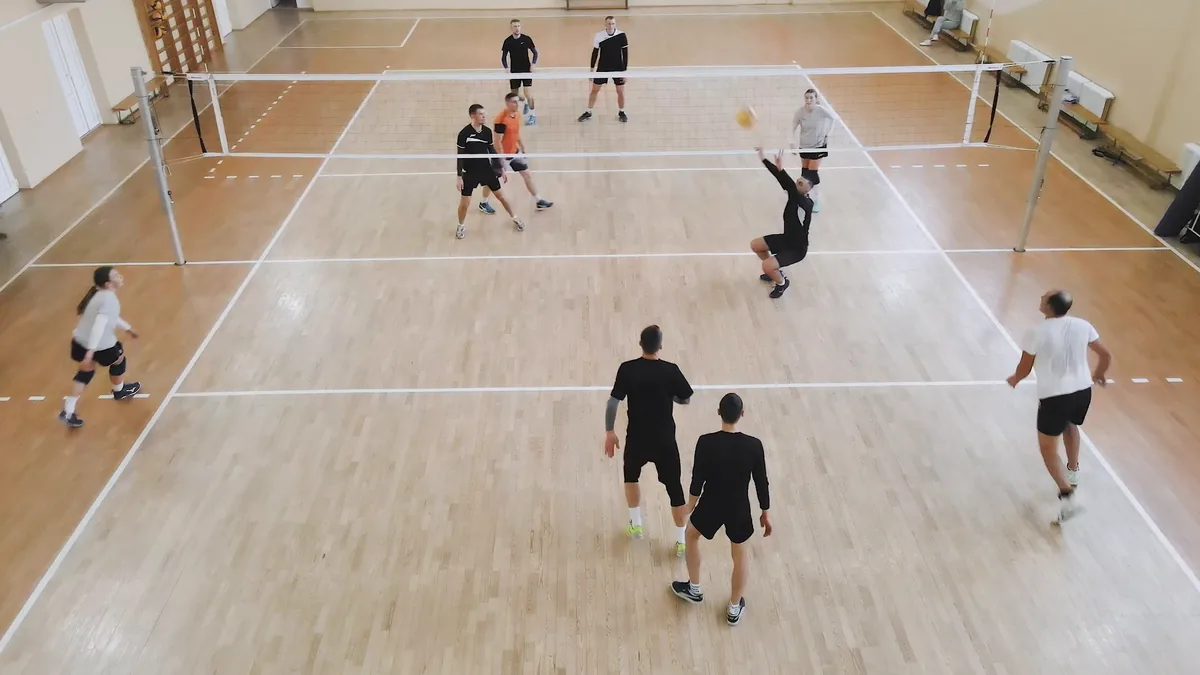
You need no professional software or qualification to start. You need a phone, a bit of method and above all a good understanding with the coach. The rest is learned along the way, match after match.
The role, in one sentence
Give the coach, before the next training session, the few sequences they need. Not the film of the match, because they will not watch it. No statistics either unless they ask for them; the question is covered in do you need statistics at amateur level. A club analyst who hands over ten useful clips on Tuesday evening is worth more than one who hands over an hour of video on Thursday.
Start with a coffee with the coach
Before filming anything, ask them a few questions. Their answers decide everything else.
- What are you working on at the moment? Tracking back, building from the back, defending the ball carrier: that is the theme you will look for in the match.
- When do you want the clips? The day before training, the day after the match, at half-time.
- In what form? On your phone, projected in the changing room, sent straight to the players.
- What should I never do? Comment on a player on their behalf, circulate a video, film without warning. Better to know beforehand.
In a volunteer club, video holds up when one person is in charge of it for one team, with a clear brief. How to organise it is in who films, and when.
The minimum kit
- The phone you already have, with enough free space for a whole match.
- A tall tripod, or access to a stand or a gallery. Height matters more than the quality of the device.
- An external battery and a cable long enough to reach up to the phone.
- Something to mark the plays: a sheet of paper and the time, or better, a second phone that acts as a remote and marks plays directly in the video (see below).
The detail of the bag is in the kit for filming your team, and the position in where to put the camera. A computer is not required to start: the cutting can be done on the phone, and with an app like TactiCam, which opens in the browser, it almost does itself.
What you film
The whole match, in a wide fixed shot, from the side and from height. No zoom, no panning to follow the ball: a beginner who follows the action misses the positioning of players away from the ball, and that is often what the coach wants to see. If a single phone does not cover the pitch, the solution is in filming the whole pitch with one phone.
In training, film only what the coach asks for: a drill, an exercise, a situation. A whole session filmed is rarely watched.
Cutting: mark during, cut after
This is where all the time spent is won or lost. The method that works, by hand:
- During the match, note the moment of each action linked to the coach's theme. The match clock or the recording time is enough, with a word: “recovery 12th”, “loss 27th”.
- After the match, go straight to those moments. Cut a clip that starts a few seconds before the trigger (the lost ball, the pass) and stops when the action is over.
- Name each clip with the minute, the theme and, if the coach wants, the player involved.
- Sort by theme, not in match order. The coach wants to see the five recoveries in a row, not the match on fast-forward.
Keep the successful actions too. A clip where the recovery works teaches the players as much as one where it fails. Other ways of spotting moments are detailed in finding the key moments.
With TactiCam, steps 1 and 2 happen in a single gesture: in Recall Mode, you tap just after the action and the clip already starts a few seconds before the trigger. Steps 3 and 4 are then done in the Video Room, with tags and folders.
What you hand back to the coach
- A small folder per match, sorted by theme, with the most telling clips. Better too few than too many. In TactiCam, a Personal folder stays private and a Team folder is shared: you prepare in one and hand back in the other.
- One line per clip: what happens, without judging the player. “Number 7 stays on the offensive rebound, nobody behind” rather than “7 does not defend”.
- One or two clips suggested for the team, which the coach approves or not.
The coach decides what is shown to the players, and how. For what comes next, see running a video session players listen to and sharing video with your players.
How long it takes
Count the match, the setup before and the packing up after. Then comes the cutting. Reviewing a whole match to look for actions takes at least the length of the match, and more with rewinds. That is why marking during the match changes everything: you only review what is noted. And when marking creates the clip directly, as with Recall Mode, the cutting almost disappears.
Choose a rhythm you can keep up all season. One match in two, done well, helps more than one match a week abandoned in November. Tell the coach from the start.
The rules to respect
You are filming people, often minors in youth teams. The images stay within the team, nothing is published without the club's agreement, and youth teams require the parents' written consent. The details are in filming minor players and how long to keep videos.
Mistakes in the first matches
- Following the ball with the phone. The image moves, and everything happening away from the ball disappears.
- Keeping everything. Forty clips is a match cut up, not a selection.
- Judging in the coach's place. You describe what can be seen; they decide what it means.
- Forgetting the battery and the free space. Check both at the break, not just that the recording is running.
Getting better
The best way to learn is to watch the clips with the coach and ask why they keep this one and not that one. After a few matches, you will know what they are looking for before they say it.
To go further, a coaching course teaches you to read the game like the staff. In Switzerland, this is the Youth+Sport (J+S) programme. The page of the Valais cantonal Youth and Sport office on orientation.ch (accessed 9 October 2026) lists the requirements to become a J+S instructor: at least 18 years old (calendar year), the recommendation of your club's J+S coach, and a course of 2 to 8 days. In France, ask the regional league of your sport, which runs coach training courses. There are also private video analyst courses: read the programme and the price closely before committing.
The volunteer analyst's tool
All of this guide can be done by hand. TactiCam was built to take as little time as possible, with the phones you already have:
- Film. The phone on the tripod, in Rec Mode to keep the whole match in a fixed wide shot, or in Recall Mode to keep only the actions. On a big pitch, two phones side by side with Panorama (beta).
- Mark from the stand. Your own phone acts as a remote: in Rec Mode, it places markers in the video; in Recall Mode, one tap after the action keeps the 5, 10 or 15 seconds before.
- Prepare. In the Video Room, slow motion, frame by frame, arrows and zones on the video, a comment line anchored to the exact moment, folders by theme.
- Hand back. The coach approves, then shares with the players, who see their clips on their phone with a free-for-life account. If the coach wants, stats are noted from the clips and added up per player.
The videos stay within the team, hosted in Switzerland. The coach starts with a 14-day trial, no credit card, and invites you into the team.
Frequently asked questions
How do you become a video analyst in an amateur football club?
Offer your help to a team's coach, ask what they are working on, film the match in a wide shot from the side and from height, then hand them a few clips sorted by theme before the next training session. The method is the same in basketball, handball or volleyball.
Do you need a qualification to do video analysis?
To help your club as a volunteer, the club sets its own conditions; in practice, you will mostly be expected to know the game and respect the rules on images. A coaching course then helps you improve.
What kit do you need for amateur video analysis?
A phone with free space, a tall tripod or a place in the stand, an external battery and something to note moments during the match. A computer is not required to start.
By sport: Football · Basketball · Volleyball
Read next
Less cutting, more useful clips
With TactiCam's Recall Mode, one tap after the action keeps the previous seconds. Clips arrive in the Video Room, ready to share. Free-for-life player account, 14-day coach trial with no credit card.